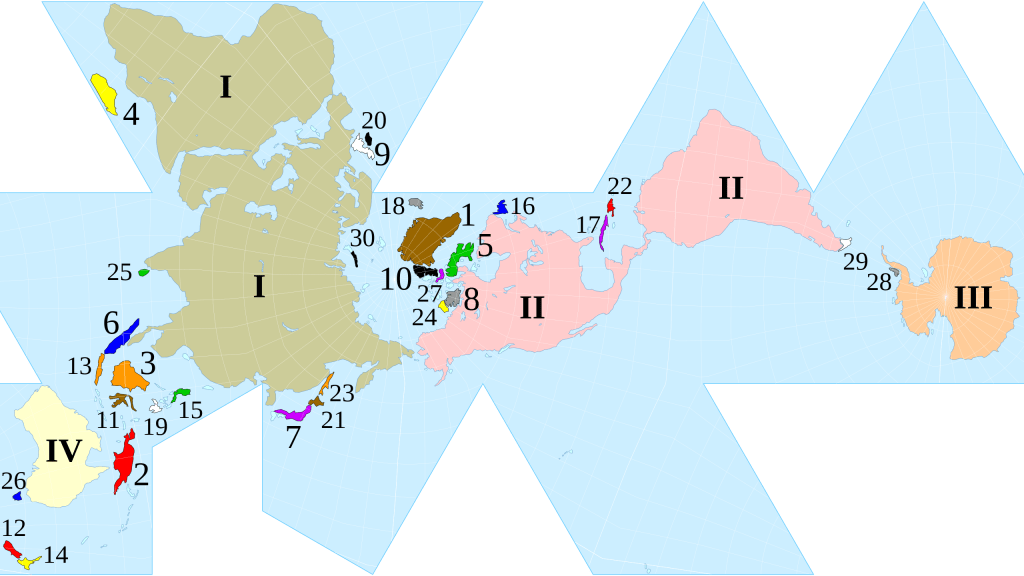
List of “continents” and islands by Area, according to a “4-continent model” considering not just Eurasia but “Afro-Eurasia” (or “Eurasiafrica”) as one. https://en.wikipedia.org/wiki/List_of_islands_by_area#/media/File:Fuller_projection_with_largest_islands.svg
The definition of continents is really nothing more than a convention, as distances between the largest landmasses of Earth are all relatively small and all these landmasses almost connect, as they actually did as Pangea of course, and probably will again in future. Still, the definition of this part of the world as a continent is particularly problematic both in terms of physical geography and because of its implications for world history.
- Not completely surrounded by water like each of the world’s main landmasses (or “continents”)…
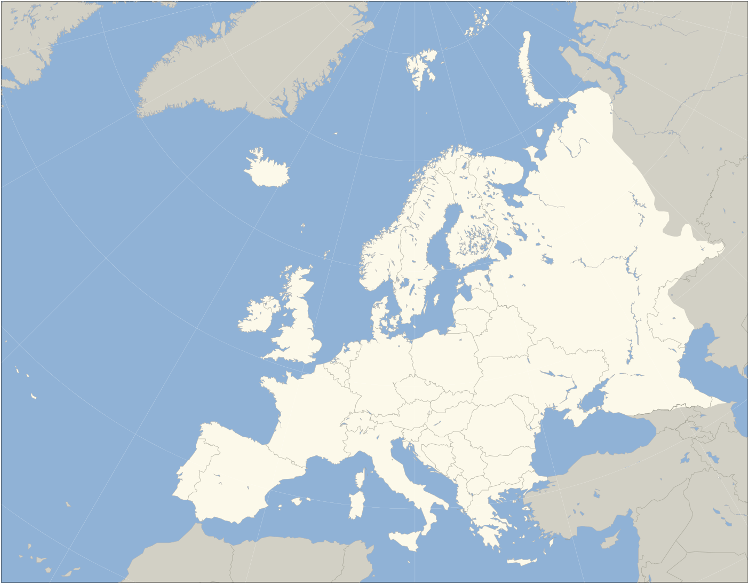
- with only a relatively small sea to the South (as the Mediterranean is incomparable in size to the Arctic, or to the Indian, Atlantic or Pacific Oceans, bodies of water that separate the world’s continents)…
- and especially without a clear border to the East (the relatively low-lying Urals are mountains incomparable in height to the Himalayas, which set South Asia apart from the rest of Asia, or even to the Alps for that matter)…
…Europe could be seen as a sub-continent of Asia at best, but it was imagined (and really invented) as a continent in ancient times and then produced as such over the centuries through processes of differentiation of a “white”-Christian and “civilized-developed” part of the world in relation to other (or othered) ones that fell prey to European colonial imperialism.
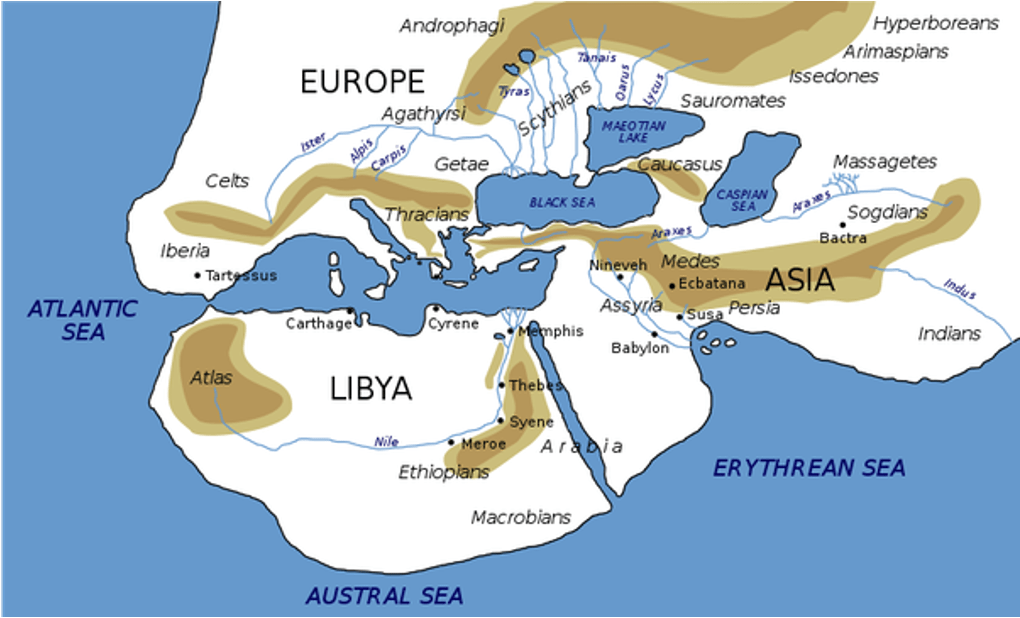
If taken for granted by most today, the idea that Europe is a continent was born out of the extremely limited geographical knowledge the Ancient Greeks had, as scholars of the time split the world known to them in 3 parts reflecting their own gaze on the 3 sides of the Mediterranean Sea they recognized, a sea lying in fact in the middle of what they defined as Libya/Africa (to the South), Asia (to the East), and Europe (to the North), which in retrospect could maybe be the very first Euro-centric gaze later imposed on other peoples and lands, as it allowed a European definition of other continents together with the definition of Europe itself.
Nonetheless, as mutual knowledge of different peoples in the different parts of the world increased in the colonial period, “Europe” only acquired its present meaning in further processes of differentiation whereby
- “Africa” became the name for the whole landmass lying between Suez and Cape Town,
- and “Asia” for most of the immense landmass lying between Portugal (at its Western edge) and Kamchatka and Singapore (at its Eastern edges), but splitting from it its far western part (Europe)
- with “America” (or the Americas), “Australia” and “Antarctica” being recognized by Europeans as obviously separate landmasses…
- …and deciding that smaller landmasses from Greenland to New Guinea and Borneo were not large enough to qualify as “continents” but simply as “islands”.
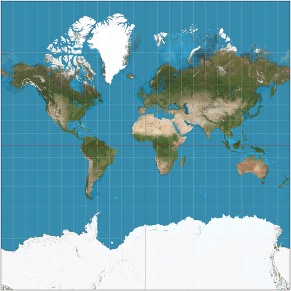
European and European-inspired imperialism worldwide from the 1400s to the present day was (and is) guided and justified by Euro-centric perspectives in different realms, including also geographical representations of the world such as the still common Mercator world map projection, which not only centers Europe and the North of the world in the middle and upper parts of the map, but also clearly mis-represents the size of different lands (Greenland for instance actually fits in Africa about 14 times).

Together with the centering of this part of the world in both discoursive and visual representations, the continued European definition of Europe itself as a separate continent (and thus maintaining the Ancient Greek definition even with a more complete knowledge of the Earth in its entirety) defied the physical geography standards required to other landmasses to be defined by European themselves as continents, namely the requirement to be completely surrounded by water (or almost, as in the case of the Suez Isthmus for Africa and the Panama Isthmus if splitting the two Americas, both later cross-cut by the respective canals) and thus conferred a special status to Europe in the global context, as a continent comparable to others. In doing so, all lands and peoples outside of the “European continent” were deemed inferior and open to imperialistic exploitation and colonization, although some managed to resist European control (Japan, Thailand, in some ways Ethiopia and China, etc) and some developed European-inspired colonial empires of their own (especially the independent United States and later Japan).
In this way Europe, invented and still imagined as one of the world’s main landmasses or “continents”, was produced as an unjustifiably separate and thus special part of the world, defining its immediate boundaries as a the land of Christianity in juxtaposition to the Muslim-majority world at the same time as certain ideas of “whiteness, civilization and development” as proper to Europe were juxtaposed to “colored, uncivilized and underdeveloped/developing” non-European peoples and lands, or continents.
As a result, in most schools worldwide today Europe is still taught to be a separate “continental” landmass even though, with a more complete knowledge of the world as a whole compared to Ancient Greek times, it could now clearly be seen as a part of Asia, in a way a peninsula of Asia. Even calling this whole landmass “Eurasia” arguably attributes special status to Europe, in fact, if compared to other peninsulas of this landmass like South-West, South or South-East Asia.
Far from being a fact of geography, the idea of Europe as a continent (equal in status to the world’s actual main landmasses) thus survives today only thanks to still Euro-centric understandings of the world, whereby Europe remains a separate and special part of it.
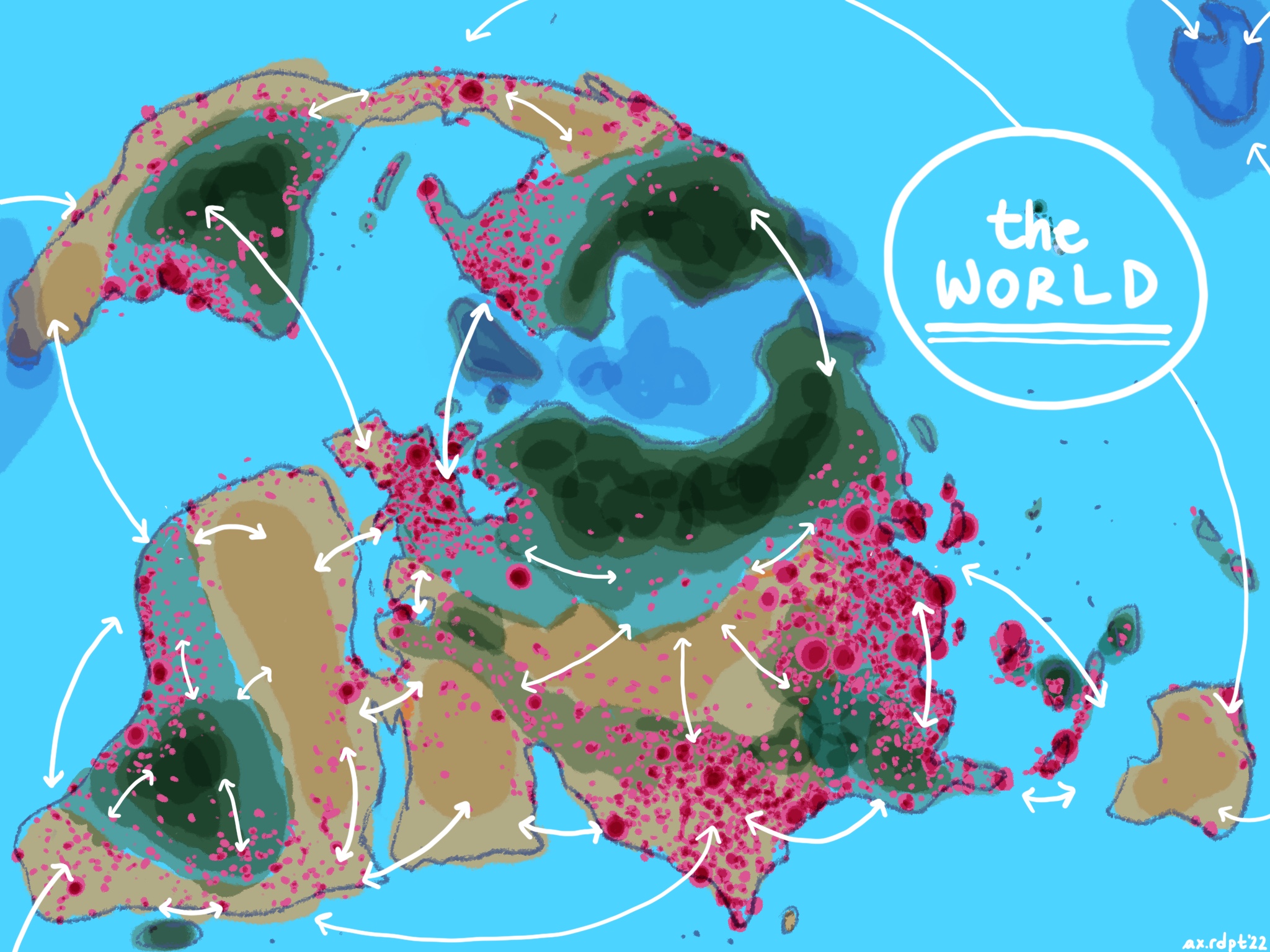
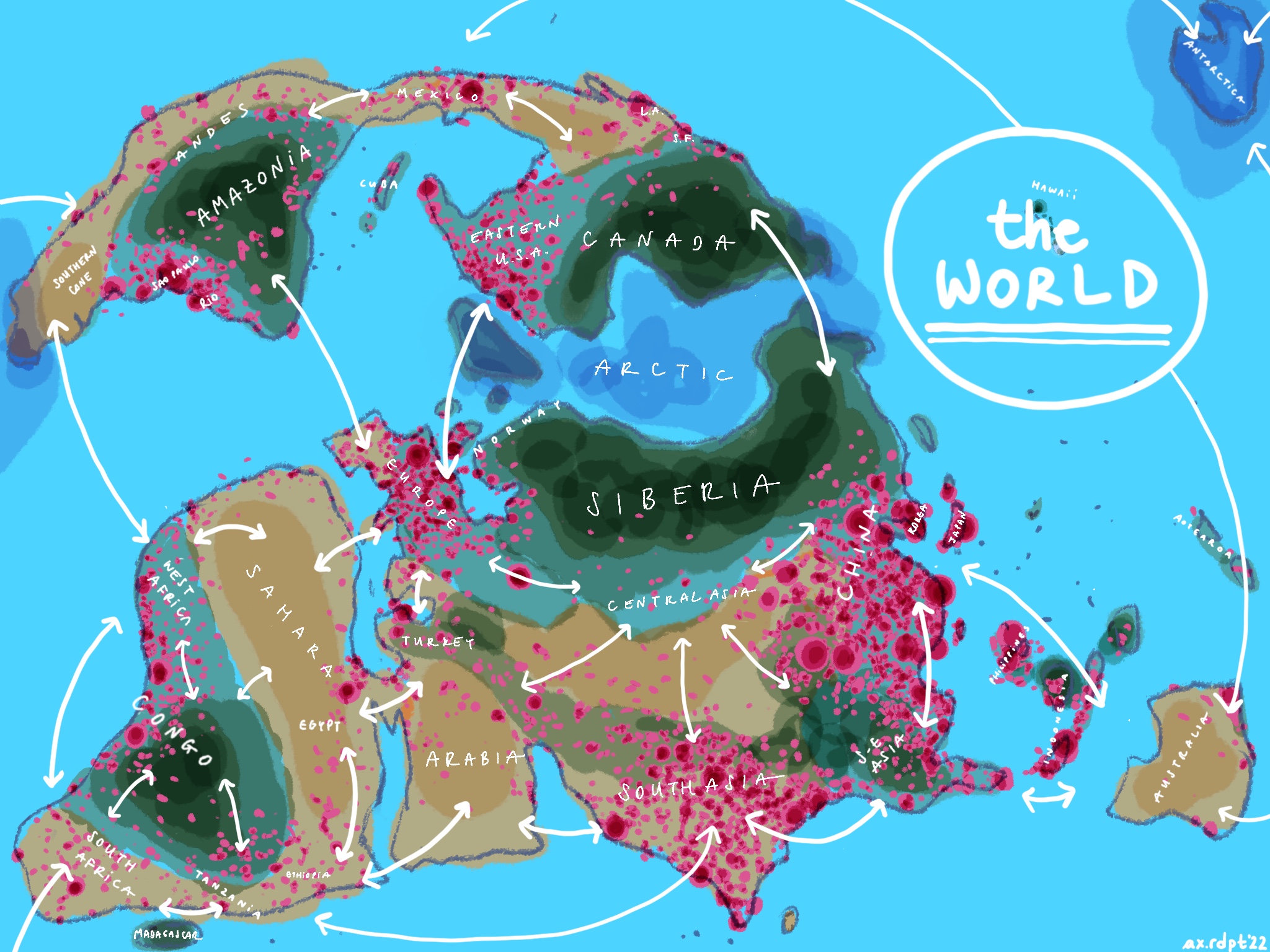
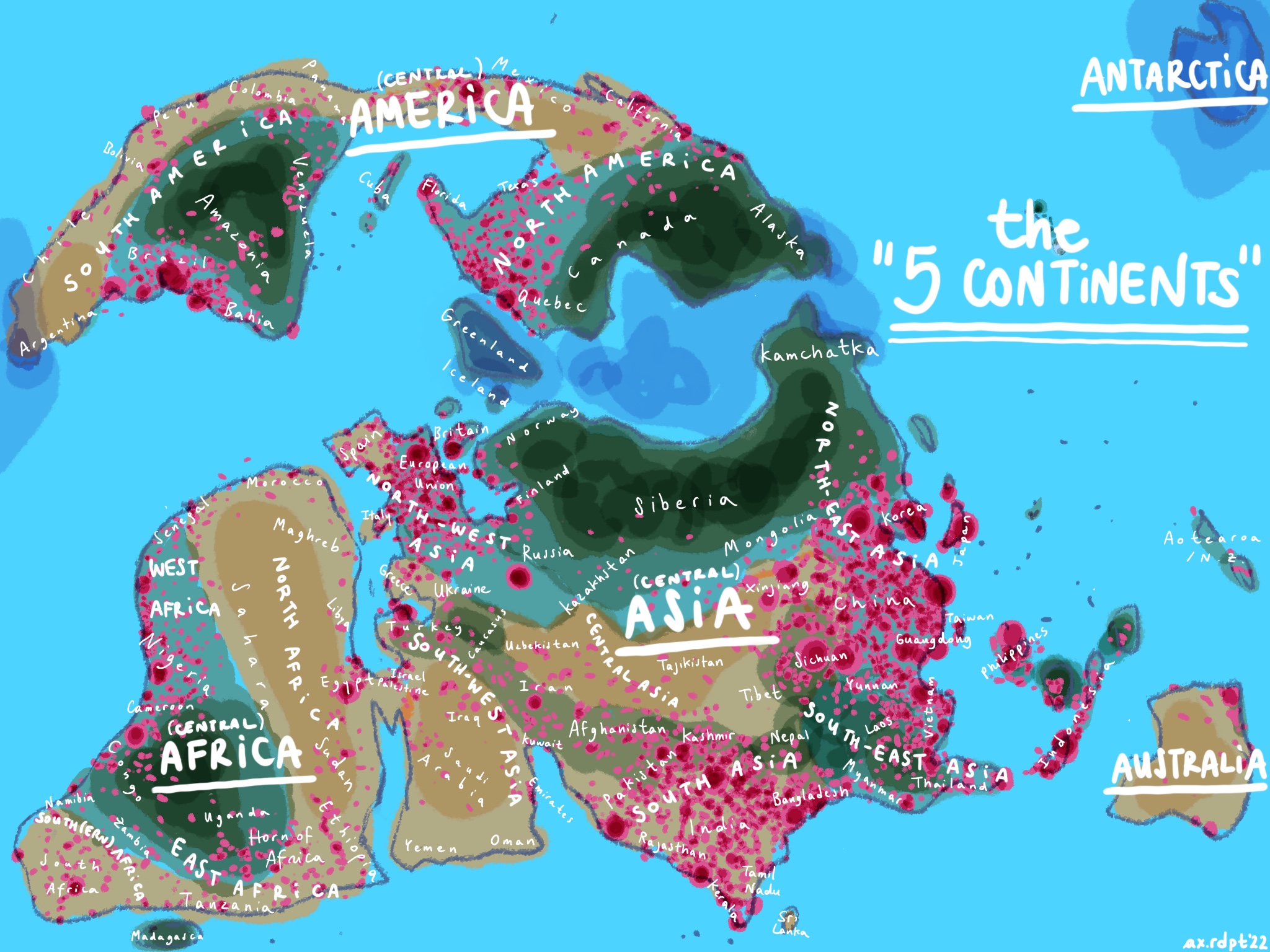
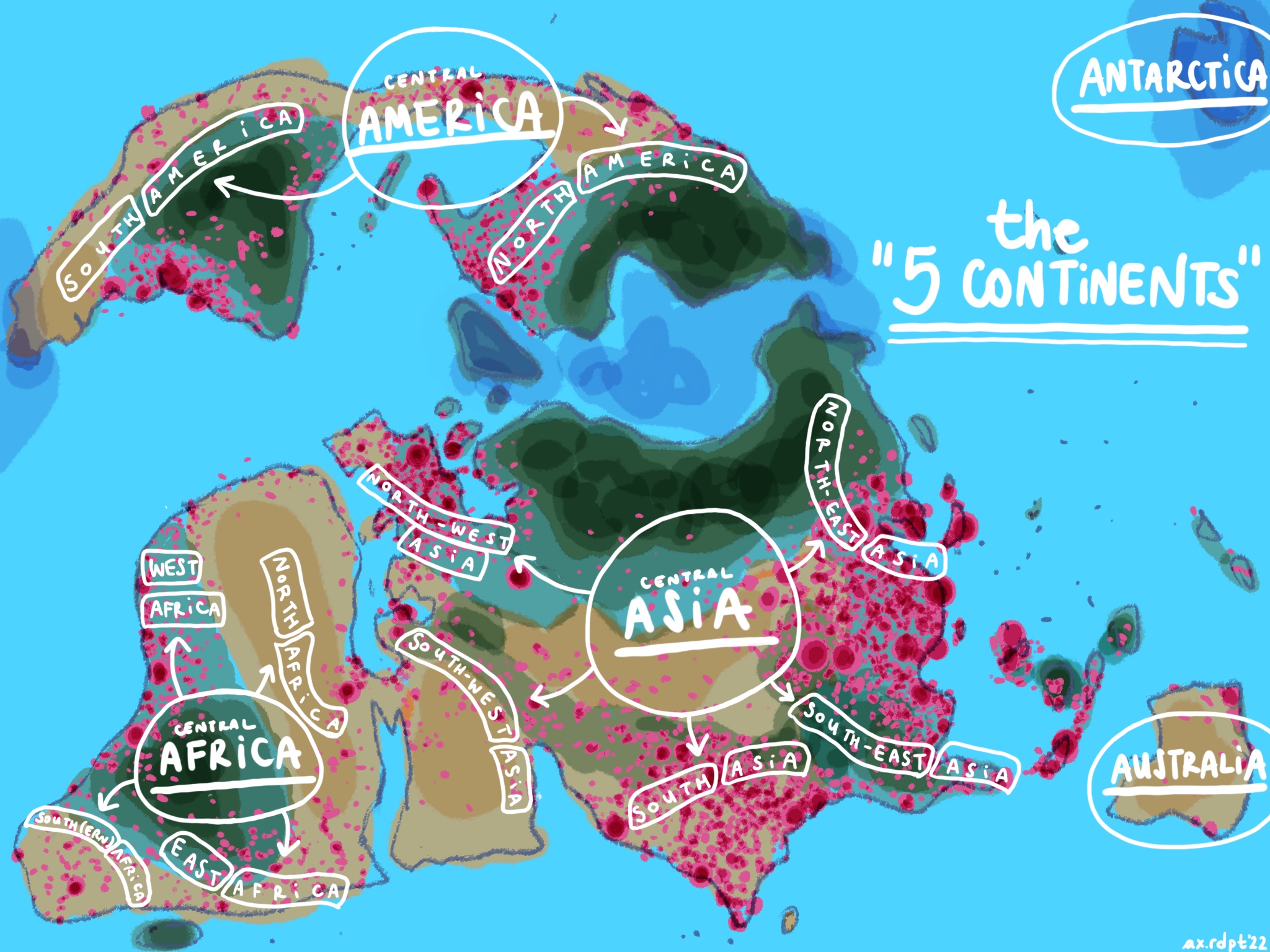
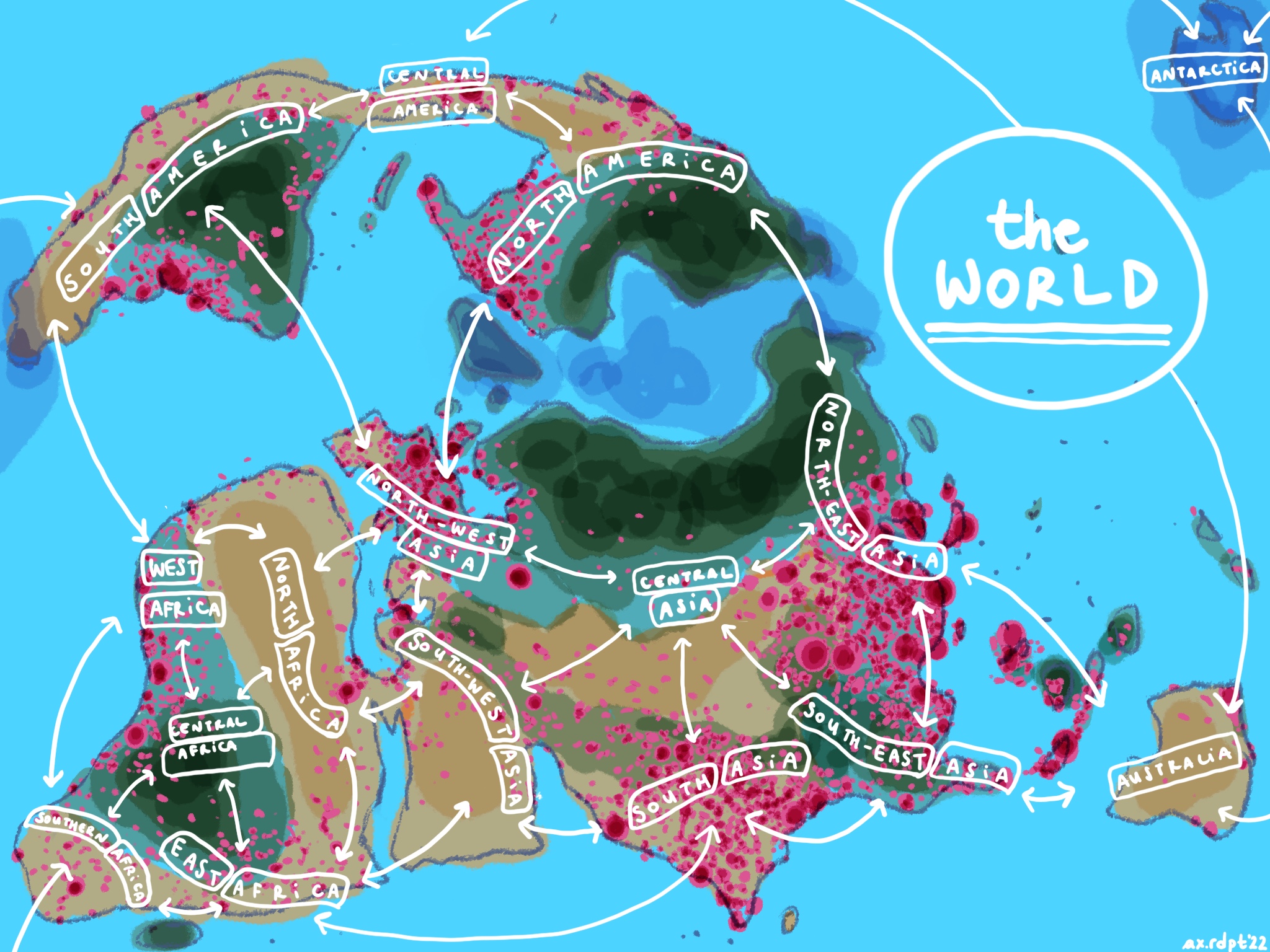
Continuing the process of decolonization worldwide thus requires, among other things, to both de-center and critically rethink Europe itself starting from its redefinition as what we could call North-West Asia, or as a sub-continent of Asia called Europe that would then be geographically comparable in status to what is commonly known as “the Indian subcontinent” (or rather South Asia), split as it is from the rest of Asia by the highest mountains in the world.
To achieve a fair rebalancing of power and resource distribution worldwide in practice, of course if we agree that these are desirable goals, the long ongoing process of (and struggle for) decolonization would then arguably also require different ways of thinking in the studying and teaching of history, geography and the social sciences in general, including…
- to center the experience of formerly or currently colonized peoples and lands, to listen to their perspectives if one does not share them and to bring and empower their voices in white-majority spaces (I’m white myself);
- to study and teach the factually accurate and multi-sided history of European (and later white-American and Japanese) colonial expansion and exploitation, including the mass killing, beating, rape, imprisonment, enslavement, forced conversion and depredation (among other forms of violence) of “non-European” peoples, together with the appropriation of their lands;
- to study and teach the contemporary reality of how G7 powers and others (the main former colonizers and thus today wealthiest countries) by and large still claim higher levels of “development” today as they used to claim higher levels of “civilization” during colonial times, deem other peoples and lands “underdeveloped” or “developing” meaning “trying to catch up with us” along a unidirectional trajectory, still benefit from the consequences of colonial imperialism today and now continue imperialistic practices while remaining unwilling to give back what they stole;
- to critically rethink the Euro-centric perspectives that were imposed worldwide through colonial imperialism, begetting those same discourses around “civilization” and “development” and justifying racism, slavery, genocide and, alongside them, continuing forms of plunder and exploitation;
- not only to de-center but also to de-construct the idea of Europe itself.
Also as many people of color tell us white people that they are tired of having to make us aware, again and again, of the violence and injustices of the post-colonial world we live in… this website is simply thought as a toolbox to support both the learning paths of us white people in particular (of all ages & not only if in formal education programs) and at the same time the work of white educators (like myself) who wish to contribute every day, through their teaching and mentoring, to this collective work in progress.
_____________________________
Ax. R. DP. T.
廖翔东 علوش (they/them)
europeisnotacontinent@gmail.com
—
Economics BA, History MA, Asian Studies MA
PhD in Geography, UC Berkeley
—
History/Geography/Modern Studies (Social Science) Teacher Registration:
California Commission on Teacher Credentialing / Berlin Senatsverwaltung für Bildung, Jugend und Familie / General Teaching Council for Scotland / English Department of Education
Europe is Not a Continent.

 Europe is Not a Continent

